
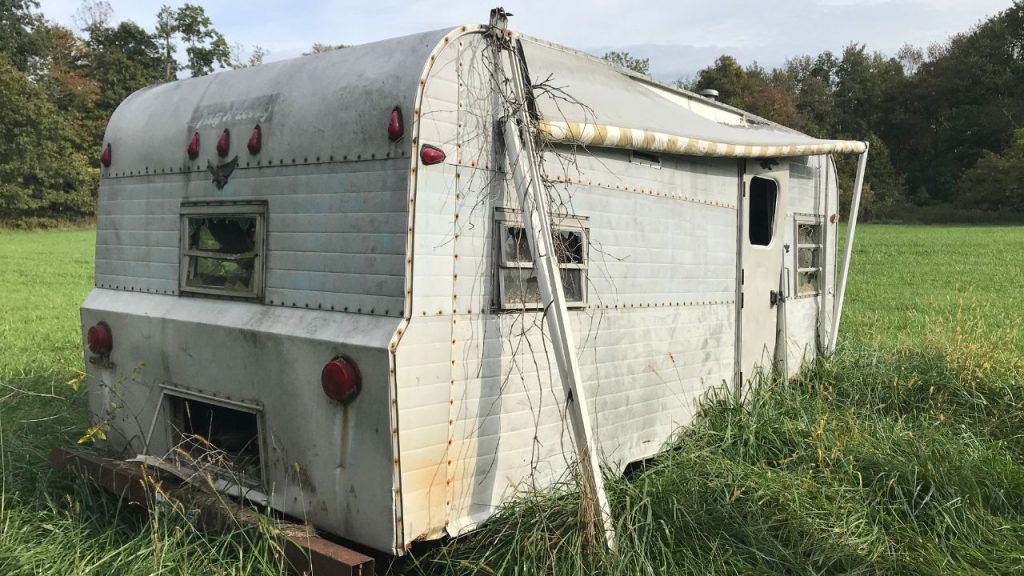
As the proud owner of a recreational vehicle (RV), you’ve undoubtedly experienced the joys of travel and exploration. However, as with any vehicle, there may come a time when your beloved RV is no longer roadworthy. Whether due to mechanical issues, electrical problems, delamination, age, or accident damage, facing the reality of parting ways with your RV can be a daunting task.
But fear not, as there are options available to make the process easier and even beneficial. In this comprehensive guide, we’ll explore the world of used RV parts and RV salvage, providing valuable insights into what to do when your RV reaches the end of its road.
Recreational vehicle salvage yards offer a vital solution for RV owners looking to recover usable parts and components, allowing them to get the most out of their non-roadworthy RVs.
Understanding RV Salvage Yards: How They Work
RV salvage yards play a crucial role in the RV salvage process, serving as repositories for salvaged vehicles and components. Here’s a breakdown of what salvage yards are and how they operate:
What is an RV Salvage Yard?
A salvage yard, also known as a junkyard or scrapyard, is a facility that specializes in the collection, storage, and resale of salvaged vehicles and parts. In the context of RVs, salvage yards specifically focus on salvaging and recycling components from retired or non-roadworthy recreational vehicles. Many RV owners find it convenient to visit RV trailer salvage yards, where parts specific to RV trailers and motorhomes are available for purchase.
How Does a Salvage Yard Work?
Salvage yards follow a systematic process of acquiring, assessing, and selling parts from non-functional RVs, providing an essential service for both RV owners and the environment.
Acquisition: Salvage yards acquire vehicles through various channels, including direct purchases from owners, insurance companies, auctions, and towing companies. When an RV is deemed non-roadworthy due to damage, age, or other factors, it may be sold or donated to a salvage yard for salvageable parts.
Assessment and Inventory: Upon acquisition, salvaged RVs undergo a thorough assessment to evaluate their condition and identify salvageable components. Experienced technicians inspect the vehicles and determine which parts can be salvaged for resale. Salvaged parts are then carefully removed, cleaned, and cataloged for inventory.
Storage and Organization: Salvage yards store salvaged vehicles and components in designated areas, often organized by vehicle type, make, model, and year. This organization facilitates efficient inventory management and allows salvage yard staff to locate specific parts quickly when needed.
Marketing and Sales: Salvaged RV parts are marketed and sold to various customers, including RV owners, repair shops, dealerships, and enthusiasts. Salvage yards may have physical storefronts where customers can browse and purchase parts, as well as online platforms for remote sales and shipping.
Recycling and Disposal: In addition to salvaging usable parts, salvage yards prioritize recycling materials such as metal, glass, and plastics from non-salvageable vehicles and components. This eco-friendly approach minimizes waste and reduces the environmental impact of salvage operations.
Customer Service and Support: Salvage yards provide customer service and support to assist customers in finding the right parts for their needs. Knowledgeable staff members can offer guidance on part compatibility, availability, and installation, ensuring a positive salvage experience for customers.
The Benefits of RV Salvage
Opting for RV salvage not only helps you save money on parts but also contributes to sustainability and the preservation of resources in the RV industry. Here are some of the biggest benefits of RV salvage yards.
Cost Savings
Purchasing used RV parts from salvage yards is often much more affordable than buying new components from manufacturers. This can result in significant cost savings for RV owners in need of repairs or upgrades.
Environmental Impact
Salvaging and recycling RV parts reduces the demand for new materials and minimizes the environmental footprint associated with manufacturing and disposal.
Accessibility
RV salvage yards provide a convenient resource for RV owners seeking replacement parts for older or discontinued models. Instead of searching endlessly for elusive components, owners can often find what they need at salvage yards specializing in RVs.
What to Do with Your Non-Roadworthy RV
If your RV is no longer fit for the road, there are several practical options available to help you recover its value and dispose of it responsibly.
Consider Salvage
If your RV is no longer roadworthy due to extensive damage or mechanical issues, consider exploring salvage options. Contact reputable RV salvage companies to inquire about their process and whether your RV qualifies for salvage. Keep in mind that if your RV has been declared a total loss by your insurance company, it may have a salvage title. Salvage title RVs can still be salvaged for usable parts, but it’s essential to understand the implications of owning a vehicle with a salvage title.
Assess Value
Before making any decisions, assess the value of your RV in its current condition. Consider factors such as age, mileage, condition, and market demand for salvageable parts. This evaluation will help you determine whether salvaging your RV is a viable option.
Explore Donation
If your RV is still in relatively good condition but not suitable for road travel, consider donating it to charity. Many organizations accept RV donations and may provide you with a tax deduction for your contribution.
Sell for Parts
Another option is to sell your non-roadworthy RV for parts. List it for sale online or contact local RV salvage yards to inquire about purchasing salvageable components. While this may not yield as much profit as salvaging the entire vehicle, it can still provide some financial compensation. If you’d rather handle the breakdown yourself instead of using a yard, scrapping a camper trailer comes with real costs beyond your time, disposal fees, transportation, and labor can all add up fast.
Dispose Responsibly
If salvaging or selling your RV is not feasible, ensure that it is disposed of responsibly. Junk RV disposal regulations vary by state, so it’s worth checking what applies to you before moving forward. Contact local authorities or waste management companies to inquire about proper disposal methods for non-roadworthy vehicles.
Tips for Maximizing RV Salvage Value
Maximizing the salvage value of your RV involves proactive measures to maintain its condition and preserve valuable components. Here are some practical tips to help you get the most out of your salvage experience:
Regular Maintenance and Inspections
Stay proactive with regular maintenance and inspections to identify and address potential issues before they escalate. Keeping your RV in good condition can increase its salvage value by preserving vital components and minimizing wear and tear.
Document Repairs and Upgrades
Keep detailed records of any repairs, upgrades, or modifications made to your RV. Documenting these activities not only helps demonstrate the care and maintenance history of your vehicle but also highlights any enhancements that may add value to salvageable components.
Proper Storage of Unused Components
If you’ve replaced or upgraded components in your RV, such as appliances, furniture, or electronics, consider storing the unused parts properly for future salvage. Protect them from environmental elements and damage by storing them indoors or in a secure, climate-controlled environment.
Consider Salvage-Friendly Modifications
When making modifications or upgrades to your RV, consider options that enhance salvage value. For example, choosing standardized or widely compatible components can increase the likelihood of resale in the salvage market. Additionally, modular designs that allow for easy disassembly can simplify salvage processes.
Stay Informed About Salvage Trends
Keep yourself informed about current trends and demands in the salvage market for RV parts. Understanding which components are in high demand can help you prioritize salvageable items and maximize their resale value.
Work with Reputable Salvage Companies
When considering salvage options for your RV, choose reputable salvage companies with a track record of fair dealings and transparent processes. Unfortunately, scammers targeting RV sellers aren’t uncommon, so it’s worth knowing the warning signs before you hand over your RV or its title. RV disposal in Paradise, NJ, New York, Las Vegas, Boston, or anywhere else across the country, is a responsible option to ensure proper recycling or disposal. Working with trustworthy professionals ensures that you receive a fair assessment of your RV’s salvage value and that salvaged components are properly handled and marketed.
HeyRV: Your Solution for Junk RVs
When it comes to dealing with non-roadworthy RVs, HeyRV offers a hassle-free solution. As a leading buyer of junk RVs, HeyRV purchases RVs in almost any condition, providing cash offers and free towing services nationwide. Whether your RV is damaged, too old to drive, or simply no longer roadworthy, HeyRV will take care of everything, including paperwork and logistics.
Unlike traditional recreational vehicle salvage yards, which may require you to transport your RV or negotiate part-by-part sales, HeyRV simplifies the process by offering a direct purchase with immediate payment. If you’ve been searching for a camper salvage yard or exploring options at RV trailer salvage yards, HeyRV provides a quicker, more convenient alternative, eliminating the need for lengthy part extractions or complicated negotiations.
For RV owners considering RV and camper salvage yards but wanting a more straightforward way to sell their vehicle, HeyRV ensures a smooth and hassle-free transaction. Whether you own a towable camper, a fifth wheel, or a large motorhome, we’ll make an offer regardless of its condition. Even if you’ve thought about taking your RV to motorhome salvage yards, HeyRV provides a stress-free way to sell without worrying about dismantling or salvage logistics. Say goodbye to the stress and uncertainty of dealing with a non-roadworthy RV and contact HeyRV today for a seamless selling experience.
RV Salvage Yards: a Conclusion
While saying goodbye to your beloved RV may be bittersweet, knowing that there are options available can ease the transition. Whether through salvage, donation, or selling for parts, there are ways to extract value from a non-roadworthy RV while minimizing waste and environmental impact. And for those seeking a straightforward solution, HeyRV stands ready to provide cash for junk RVs nationwide. Embrace the next chapter of your RV journey with confidence, knowing that there are solutions available to suit your needs.
FAQs: Used Parts and RV Salvage Yards
Have more questions about RV salvage yards and used parts? Read answers to common questions below. Otherwise, call us for a quote and sell your junk RV for cash today!
What is RV salvage?
RV salvage involves salvaging usable parts and materials from recreational vehicles (RVs) that are no longer functional or roadworthy. Salvage yards and specialized RV salvage companies dismantle and recycle these vehicles, providing valuable parts for resale.
How do I know if my RV is eligible for salvage?
If your RV is no longer roadworthy due to extensive damage, mechanical issues, or age, it may be eligible for salvage. Contact reputable RV salvage companies to assess your RV’s condition and determine if salvage is a viable option.
What types of parts can I salvage from my RV?
Salvageable parts from RVs include appliances, furniture, electronics, structural components, and more. Common salvage items include refrigerators, stoves, water heaters, HVAC systems, cabinets, and awnings.
Can I salvage my RV myself?
While DIY salvage is possible, it requires specialized knowledge, tools, and equipment. Additionally, dismantling an RV can be labor-intensive and potentially hazardous. It’s often safer and more efficient to enlist the services of professional salvage companies.
How can I maximize the salvage value of my RV?
To maximize the salvage value of your RV, maintain it regularly, document repairs and upgrades, properly store unused components, and work with reputable salvage companies. These proactive measures can help preserve the condition of your RV and optimize its salvage value.
What should I look for in a salvage yard?
When choosing a salvage yard, look for a reputable company with a track record of fair dealings, transparent processes, and quality customer service. Consider factors such as inventory selection, pricing, shipping options, and customer reviews.
Are salvaged RV parts safe to use?
Salvaged RV parts can be safe to use if they are properly inspected, tested, and installed by qualified professionals. It’s essential to ensure that salvaged parts are in good condition and compatible with your RV before installation to prevent safety hazards or performance issues.
Can I sell my non-roadworthy RV to a salvage yard?
Yes, many salvage yards purchase non-roadworthy RVs for salvage. Contact reputable salvage companies to inquire about selling your RV for salvage. They will assess your RV’s condition and provide you with a fair offer based on its salvage value.
What happens to RVs that are not salvageable?
RVs that are not salvageable may be recycled for scrap metal and other materials. Salvage yards prioritize responsible disposal and recycling practices to minimize waste and environmental impact.
How can HeyRV help with my junk RV?
HeyRV offers a hassle-free solution for selling junk RVs. They purchase RVs in any condition, providing cash offers and free towing services nationwide. HeyRV handles everything, including paperwork and logistics, making the selling process seamless for RV owners.